
Learning about peptides
-
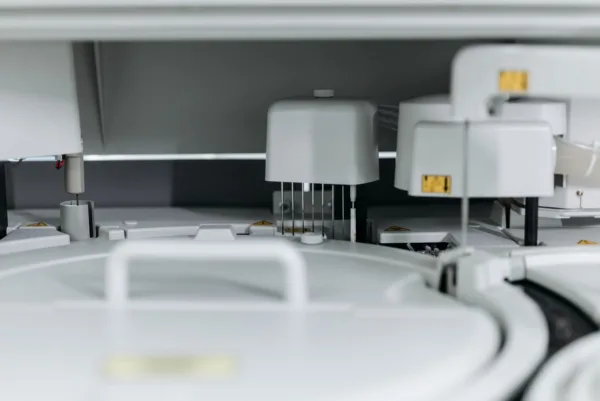
Mass spectrometry for peptide identification: what the MS data tells you
Mass spectrometry (MS) is one of the most widely used analytical techniques in peptide research. Where HPLC says something above all about the purity of a sample, MS answers a different question:...
Read more -
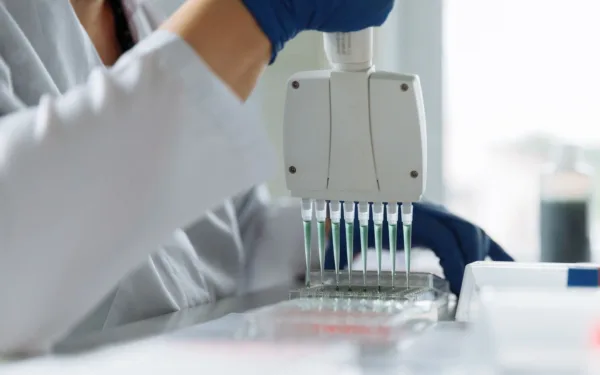
From amino acid to peptide: how solid-phase synthesis forms research peptides
Every research peptide used in a laboratory begins as a chain of individual amino acids coupled together step by step. The most widely used production method for this is solid-phase peptide synthesis...
Read more -
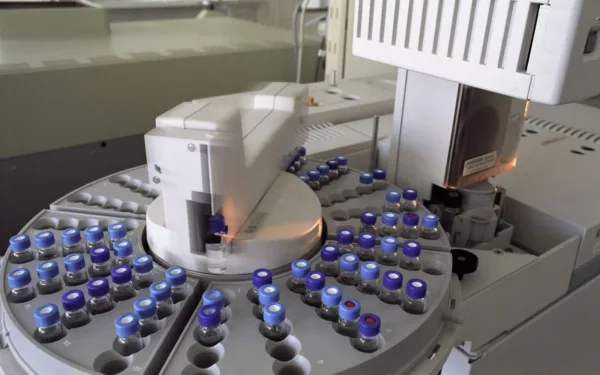
Stability of research peptides: which factors determine degradation?
A peptide leaving the door 99% pure according to its certificate of analysis is not automatically still so when it is used in the laboratory. Peptides are chemically fragile molecules: the peptide...
Read more -
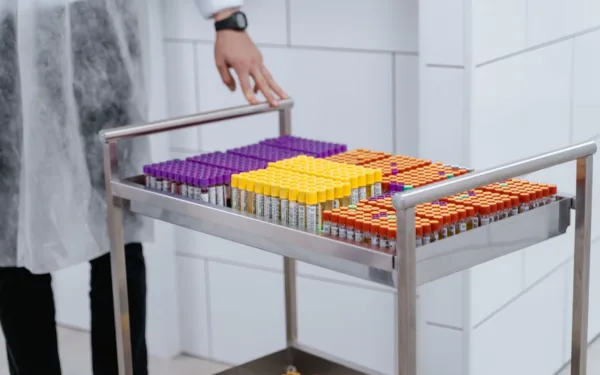
Cold chain and storage of research peptides: a practical guide for the laboratory
A peptide that leaves the laboratory perfectly synthesised and purified can still arrive on the bench degraded if storage and transport are not right. For researchers working with peptides, stability is no...
Read more -

Assessing peptide CoAs: a practical guide for researchers
A Certificate of Analysis (COA) gives enough information to use a peptide batch for research, provided the document contains batch-specific HPLC data, mass spectrometry, net peptide content and relevant safety measurements. If...
Read more -

Semaglutide peptide research: procurement and laboratory practice
For Dutch laboratories there is one clear working method: order semaglutide as a high-purity research peptide (>99%) from an EU-based supplier such as Dutchpeptidelabs, verify the batch-specific Certificate of Analysis (CoA) before...
Read more -
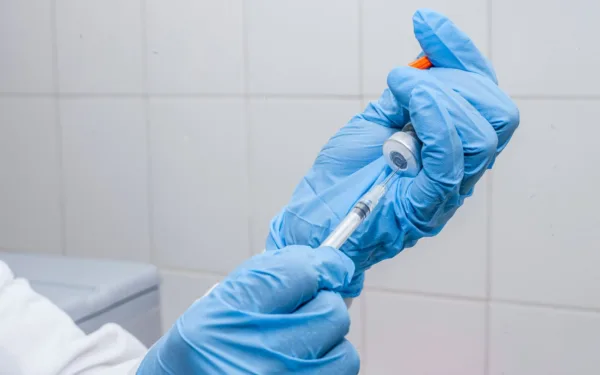
A Complete Beginner’s Guide To Reconstituting Peptides
How to reconstitute peptides with bacteriostatic water? A clear step-by-step guide including dosage calculation. For research purposes only.
Read more -

HPLC chromatogram: explanation and worked examples for students
An HPLC chromatogram is a graphical representation of the detector response (y-axis, expressed in mAu with UV detection) plotted against the elution or retention time (x-axis, in minutes). From a single chromatogram...
Read more