What is Bacteriostatic Water?
Bacteriostatic Water (or BAC Water) is a sterile water solution containing 0.9% benzyl alcohol as an antimicrobial preservative. This pharmaceutical-grade solution was developed in the 1940s as a safe solvent for injectable drugs and research compounds. Benzyl alcohol (C₇H₈O) acts as a bacteriostatic agent by inhibiting the growth of gram-positive and gram-negative bacteria without possessing fully bactericidal properties. The molecular structure of benzyl alcohol consists of a benzyl group linked to a hydroxyl group, ensuring effective antimicrobial activity at low concentrations.
Mechanism of Action
The mechanism of action of Bacteriostatic Water relies on the antimicrobial properties of benzyl alcohol. This compound penetrates the bacterial cell wall and disrupts the integrity of the cytoplasmic membrane. Benzyl alcohol interferes with essential cellular processes by increasing membrane permeability, leading to leakage of intracellular components and ultimately inhibiting microbial growth. Unlike bactericidal agents, benzyl alcohol does not directly kill bacteria but prevents their proliferation for several days to weeks. This mechanism makes Bacteriostatic Water particularly suitable for repeated use in peptide reconstitutions, where sterility is essential for accurate research results.
Research Results
Extensive microbiological studies have shown that 0.9% benzyl alcohol in aqueous solution maintains effective antimicrobial activity for 28 days at refrigerator temperatures. Research published in the Journal of Pharmaceutical Sciences demonstrated that Bacteriostatic Water completely inhibits the growth of Escherichia coli, Staphylococcus aureus, and Pseudomonas aeruginosa for at least 14 days. In vitro stability studies have further demonstrated that the 0.9% benzyl alcohol concentration remains stable without significant degradation throughout the entire shelf life. Compatibility studies with various peptides showed that Bacteriostatic Water preserves the structural integrity and biological activity of research compounds, with less than 1% loss of potency over a period of 30 days at 2-8°C storage.
Available Variants and Purity
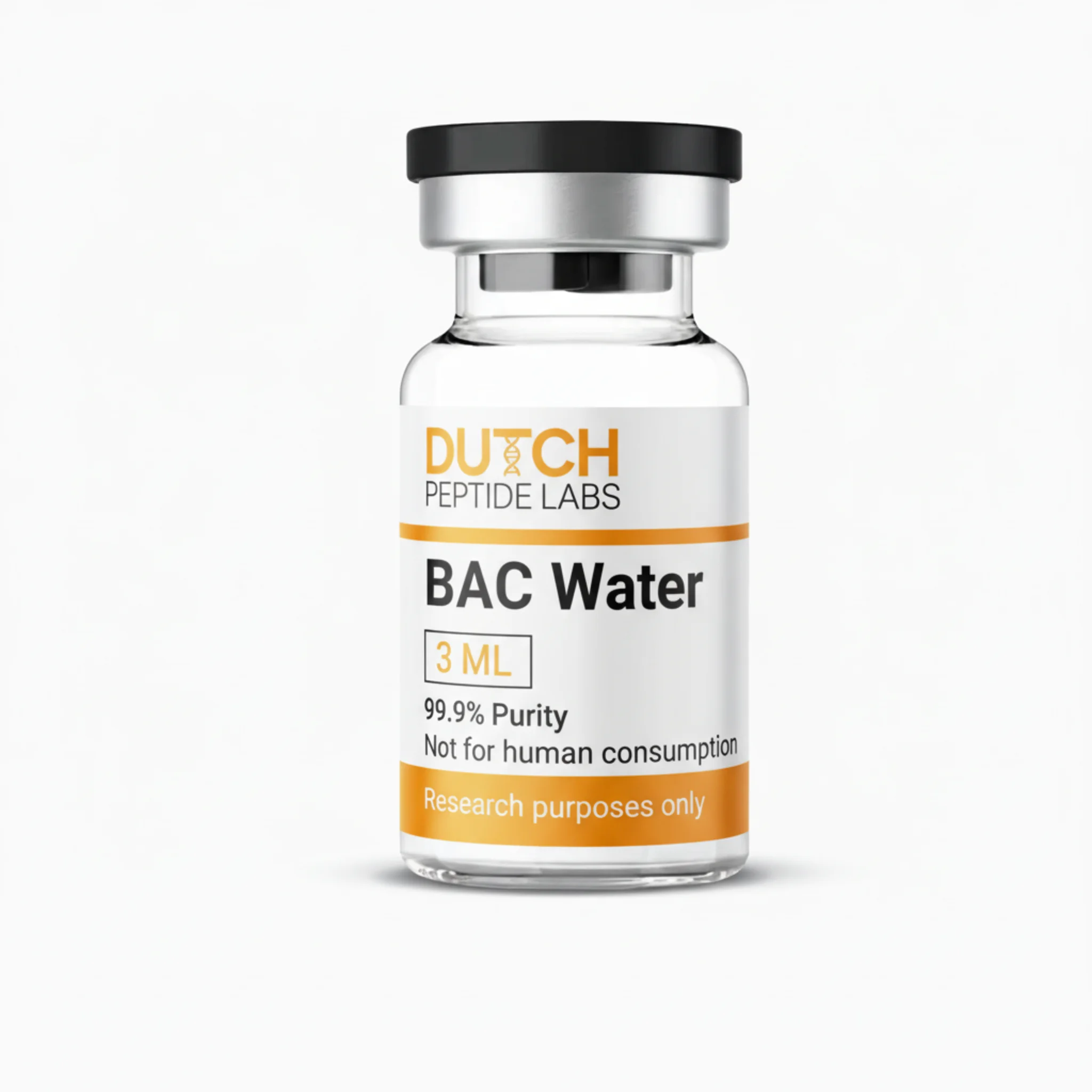
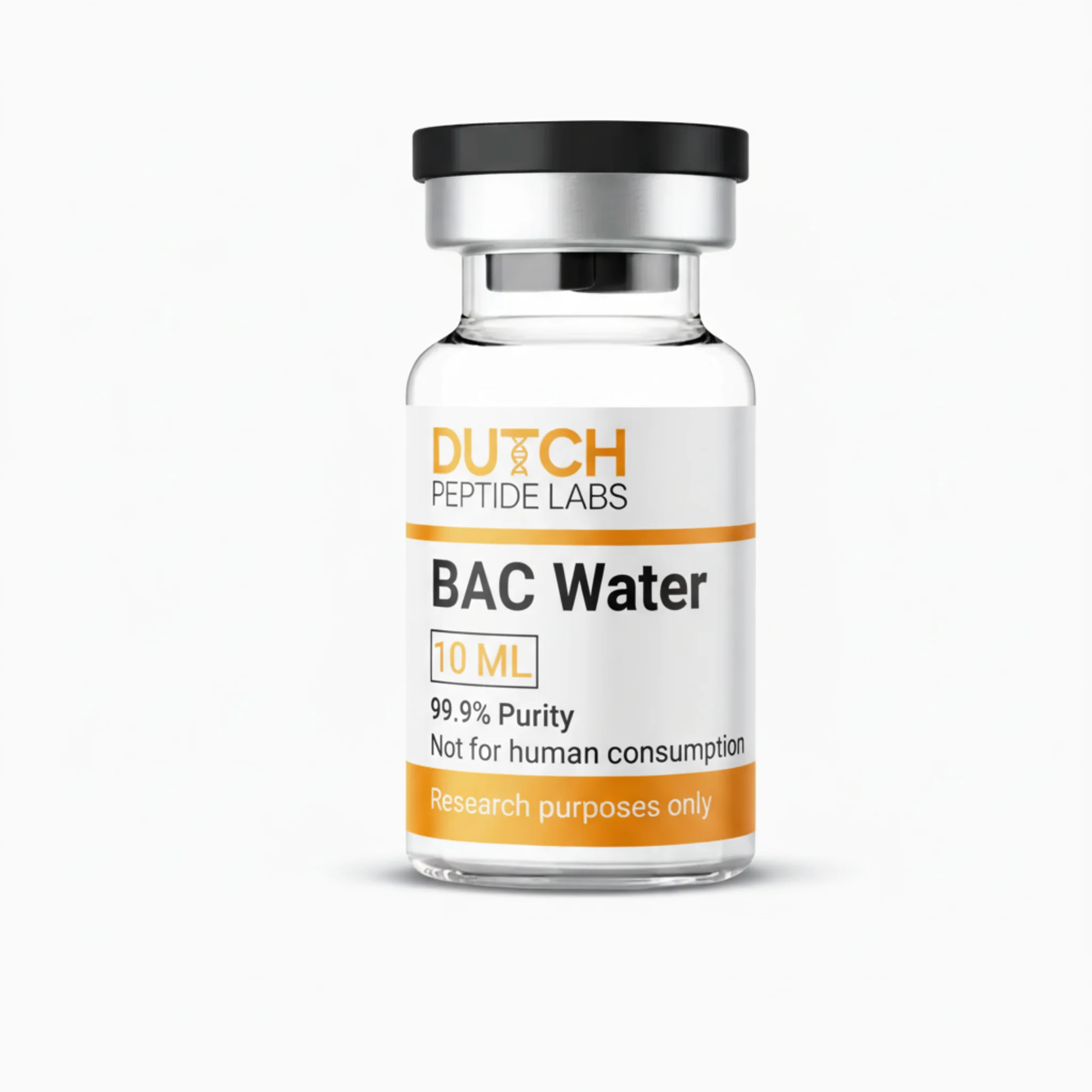
Dutch Peptide Labs offers Bacteriostatic Water in two practical variants: 3ml vials (€8) for small-scale research and 10ml vials (€18) for more extensive studies. Both variants contain pharmaceutical-grade water with 99.9% purity, independently tested by certified laboratories according to USP and EP standards. Each batch undergoes rigorous quality control including sterility tests, endotoxin determinations, and benzyl alcohol content verification. The pH is controlled between 4.5-7.0 and osmolality remains within pharmaceutical specifications. All products are supplied with Certificates of Analysis confirming the exact composition and purity level.
Storage and Handling
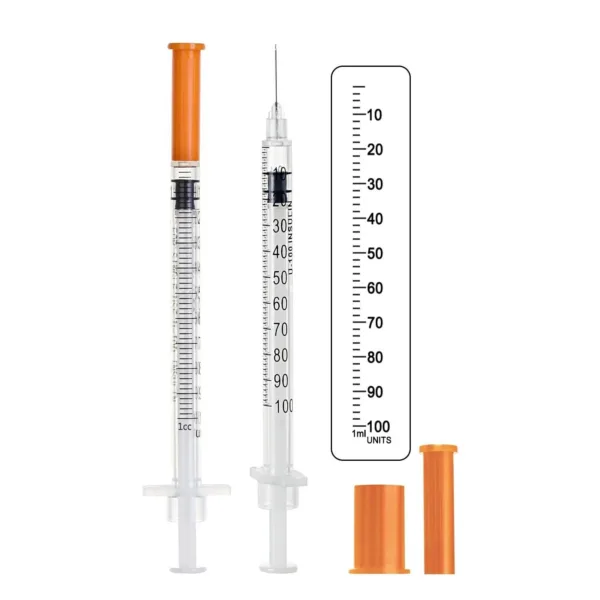
Bacteriostatic Water should be stored at room temperature (15-25°C) in its original sterile vial, protected from direct light. After first use, opened vials retain their sterile properties for 28 days when properly stored in the refrigerator (2-8°C). For peptide reconstitutions, aseptic techniques should be applied, and sterile needles and syringes should be used. The recommended reconstitution ratio varies depending on the peptide concentration and experimental requirements. Avoid repeated freezing and thawing, as this may reduce antimicrobial effectiveness. Visually inspect the solution before use; if turbidity, precipitation, or discoloration occurs, the product should not be used.
Research Disclaimer
This product is intended solely for scientific research and laboratory use by qualified professionals. Bacteriostatic Water from Dutch Peptide Labs is not approved for human consumption, medical treatment, or veterinary use. All research activities must be conducted in accordance with relevant safety protocols and institutional guidelines. Users are responsible for compliance with local laws and regulations regarding the use of research materials. This product has not been evaluated by drug authorities and should not be used for diagnostic or therapeutic purposes.