What is IGF-1 LR3?
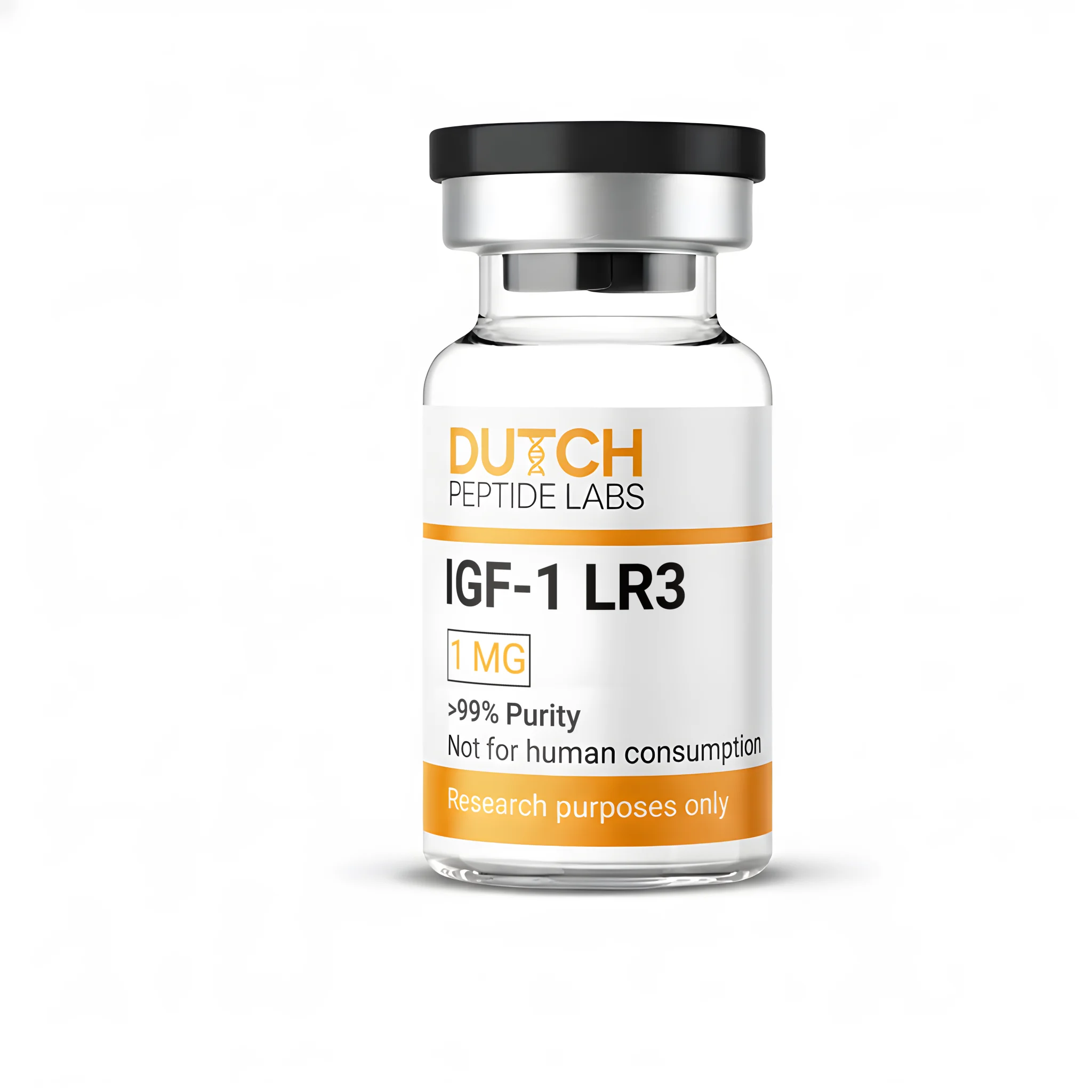
IGF-1 LR3 (Insulin-like Growth Factor-1 Long Arg3) is a synthetically modified variant of the naturally occurring IGF-1 peptide. This recombinant peptide belongs to the family of insulin-like growth factors and consists of 83 amino acids, in contrast to native IGF-1 which contains 70 amino acids. The LR3 variant was developed by the substitution of glutamic acid with arginine at position 3, combined with a 13-amino acid N-terminal extension.
Analysis and identity
Every batch is tested independently by an external laboratory. The certificate of analysis for this product is available on this page and states the method used, the purity determined and the date of analysis.
Available variants
IGF-1 LR3 is available in 1mg. The current price for each is shown with the product options on this page.
Storage and Handling
Lyophilized IGF-1 LR3 should be stored at -20°C in a dry environment, protected from light. Under these conditions, the peptide remains stable for at least 24 months. For reconstitution, sterile water or saline solution is recommended. After reconstitution, the solution is stable for 7 days at 4°C or up to 30 days at -20°C. Avoid repeated freeze-thaw cycles to minimize peptide degradation. Always use sterile techniques during handling and preparation of solutions.
Research disclaimer
IGF-1 LR3 supplied by Dutch Peptide Labs is intended solely for in vitro laboratory research and scientific purposes. This product is not intended for human or animal consumption, medicinal use, dietary application or therapeutic injection, and has not been approved by regulatory agencies such as the EMA or the FDA. Dutch Peptide Labs makes no claims as to effect, suitability or safety for any application in humans or animals. All use must take place under the supervision of qualified researchers. The seller accepts no liability for unauthorised or unlawful use of this product.