What is BPC-157?
BPC-157 (Body Protection Compound-157) is a synthetic pentadecapeptide consisting of 15 amino acids with the sequence GEPPPGKPADDAGLV. This peptide is derived from a protective stomach protein that naturally occurs in human gastric acid. BPC-157 was first identified and isolated by Croatian researchers in the 1990s at the University of Zagreb. The peptide belongs to the class of cytoprotective peptides and has a molecular weight of 1419.53 Da. The molecular formula is C62H98N16O22 and the peptide shows remarkable stability in both acidic and alkaline environments.
Mechanism of Action
BPC-157 exerts its biological effects through various mechanisms. The peptide interacts with multiple growth factor receptors, including the VEGF (Vascular Endothelial Growth Factor) receptor and PDGF (Platelet-Derived Growth Factor) receptor. BPC-157 modulates the FAK-paxillin pathway, which is crucial for cell adhesion and migration. The peptide also activates the eNOS/NO pathway, leading to vasodilation and improved blood flow. Additionally, BPC-157 influences the expression of various growth factors such as EGF, FGF-2, and PDGF-BB. The peptide also exhibits anti-inflammatory properties by modulating TNF-α, IL-6, and other pro-inflammatory cytokines. A key aspect of its mechanism of action is the activation of the VEGFR2-Akt-eNOS signaling pathway, which promotes angiogenesis and tissue regeneration.
Research Results
Extensive preclinical research has shown promising results for BPC-157. A study published in the Journal of Physiology and Pharmacology (2011) demonstrated that BPC-157 accelerated the healing of Achilles tendon injuries by 56% in rat models within 14 days of treatment. Research from 2013 in the European Journal of Pharmacology showed that the peptide reduced gastric ulcerations by 73% compared to control groups. In cardiovascular studies, BPC-157 was shown to shorten the recovery period after myocardial infarction by 41% in rats, as published in Vascular Pharmacology (2016). Neurological research from 2018 demonstrated neuroprotective effects, with BPC-157 significantly improving brain function after traumatic brain injury. Recent research from 2021 in Biomedicines showed that BPC-157 stimulates collagen synthesis and promotes angiogenesis in wound healing models. Studies have shown consistent results at dosages between 10-20 μg/kg body weight in animal models.
Available Variants and Purity
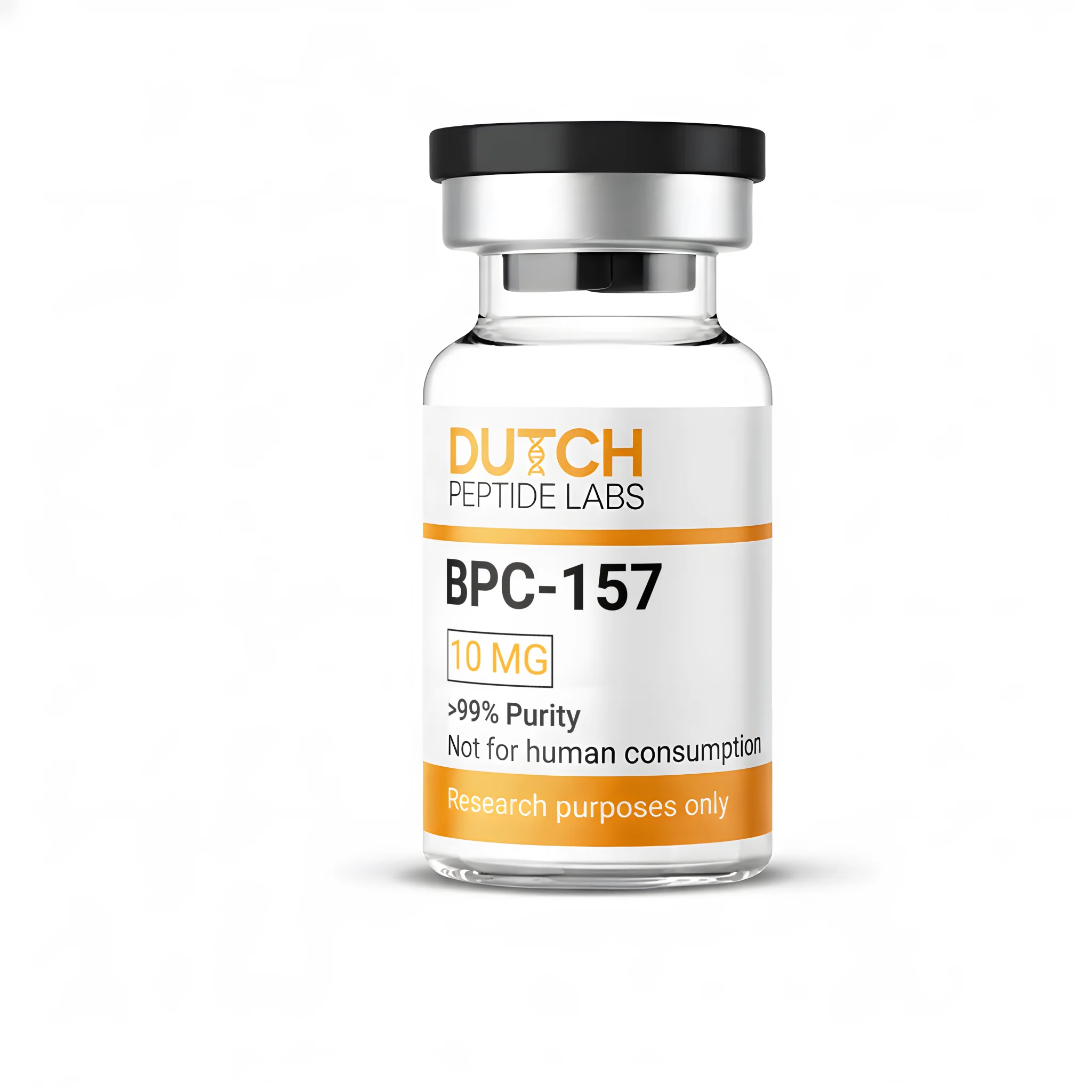
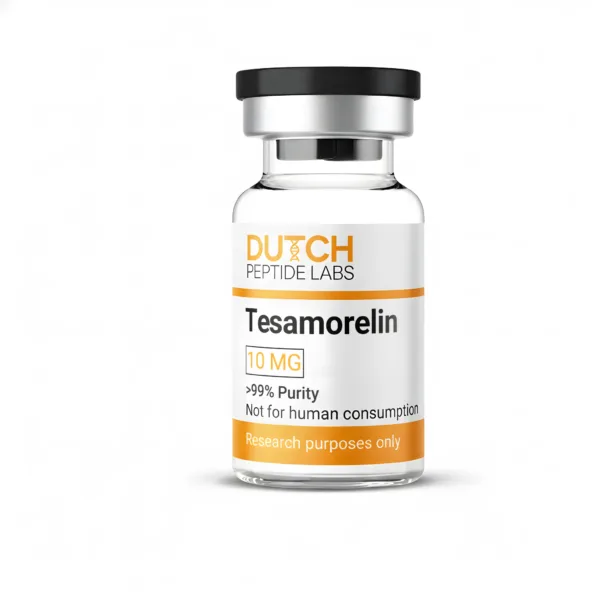
Dutch Peptide Labs offers BPC-157 in two research variants: 5mg (€39) for small-scale studies and 10mg (€59) for more extensive research protocols. All our BPC-157 batches are produced according to pharmaceutical GMP standards and achieve a purity of at least 99.9% as determined by HPLC analysis. Each batch is independently tested by certified European laboratories for purity, identity, and microbiological safety. The peptide is supplied as a lyophilized powder in sterile glass vials under an inert gas atmosphere. Each batch is accompanied by a Certificate of Analysis (CoA) with detailed analytical results, mass spectrometry data, and purity profiles.
Storage and Handling
For optimal stability, BPC-157 should be stored in lyophilized form at temperatures between -20°C to -80°C, protected from light and moisture. Under these conditions, the peptide remains stable for at least 24 months. For reconstitution, it is recommended to use sterile water, bacteriostatic water, or physiological saline solution. After reconstitution in an aqueous solution, BPC-157 is stable for 7 days at 4°C or up to 30 days at -20°C. Avoid repeated freezing and thawing of reconstituted solutions. The peptide shows remarkable stability in the pH range of 1-12, but optimal stability is achieved at physiological pH (7.4). Always use sterile techniques when handling and diluting.
Research Disclaimer
This product is intended solely for scientific research and laboratory use by qualified researchers. BPC-157 is not approved for human consumption, medical treatment, or diagnostic purposes. The product is not subject to regulations for food supplements or medicinal products and must not be used for therapeutic applications in humans or animals. Dutch Peptide Labs assumes no responsibility for misuse of this research product. Users must observe all relevant safety protocols and local regulations. This product is intended for in vitro research and preclinical studies conducted by accredited research institutions.